What to Know Before Buying Organizing Products
The fun part — done right.
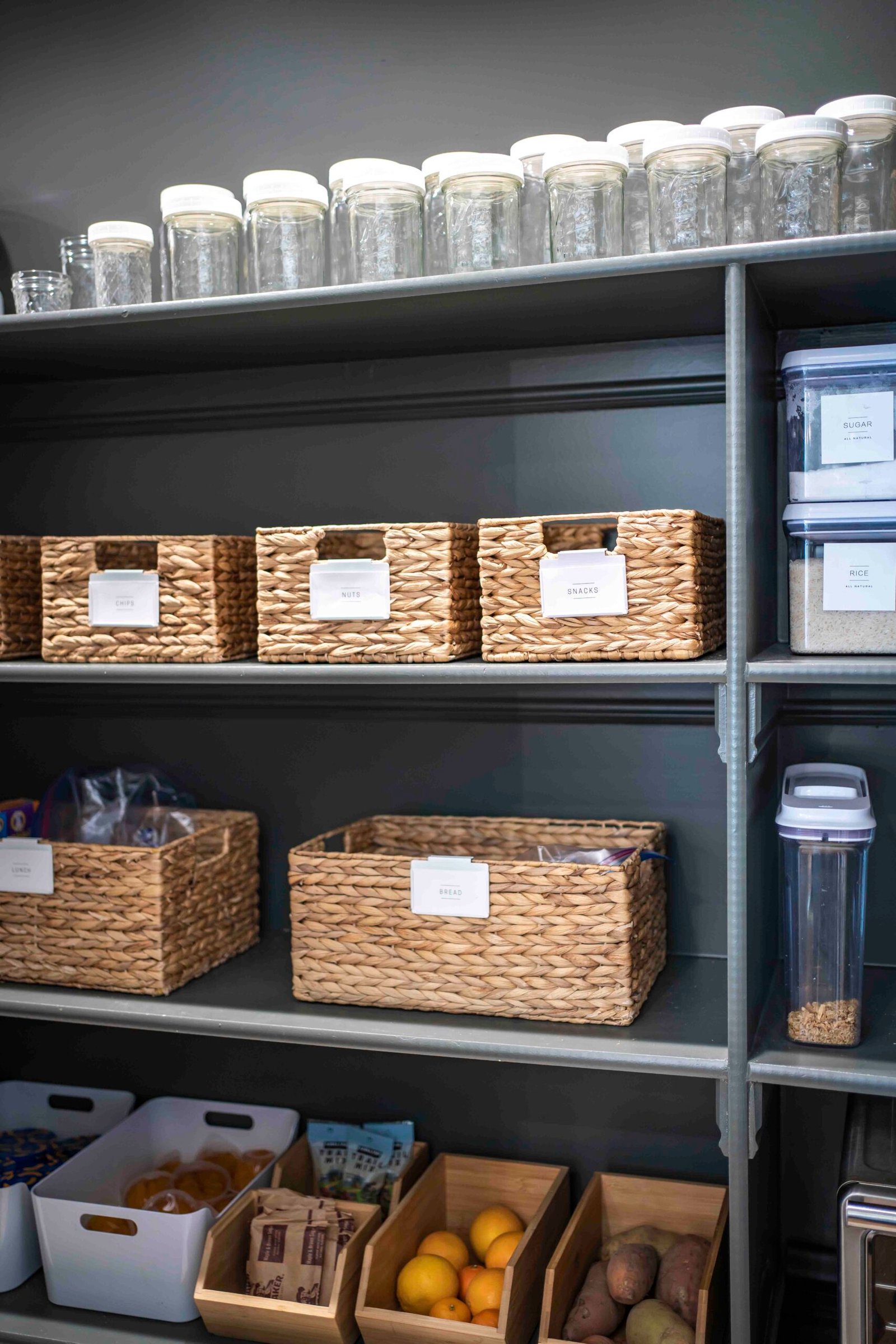
Let’s be honest: shopping for organizing products is the best part of any organizing project. Baskets, glass containers, clear plastic, colorful plastic, drawer organizers, dividers — the options are endless and endlessly tempting. Until you’re standing in the aisle, paralyzed, holding two nearly identical bins and genuinely unsure which one will work best in your space. Sound familiar? The abundance of choices that makes organizing shopping so exciting is the same thing that makes it so overwhelming. And here’s what nobody tells you: buying the wrong thing at the wrong time is the #1 reason most organizing projects fail before they even start. So how do you cut through the noise and actually decide what you need?
STEP ONE
Declutter before you shop
Before you buy a single bin, you need to answer one question: what am I actually keeping?
It sounds obvious, but most people skip this step entirely. They buy the bins first, fill them with everything they own, and wonder why the system feels heavy and hard to maintain. The truth is, no container can organize clutter — it can only hide it. And hidden clutter has a way of creeping back.
So start by pulling everything out and taking a real look at what you have. How many of this thing do you actually own? How many do you actually use? You might discover you have seventeen spatulas, four half-empty bottles of the same hand lotion, or three sets of markers where only one set still works. That’s not a storage problem — that’s an editing problem.
Once you’ve decided what’s worth keeping, then you can think about containing it. This is where the process gets satisfying — because now you’re organizing things you actually want, not just managing the weight of too much stuff.
STEP TWO
Measure your space
Once you’ve decided how much you’re actually keeping, measure your shelves, drawers, and cabinets. Look for bins that will maximize your space- deep bins for deep shelves, tall containers where the shelf height allows. Use all that vertical space you’d otherwise leave empty.
If you have a lot of small items that need to stay separated, stacking drawers are a great option. Instead of stacking bins on top of each other — where you have to unload everything just to reach the bottom — each drawer slides out independently, keeping every category accessible without the hassle. You get the benefit of vertical space without the frustration of digging. For corners where things tend to disappear, a lazy Susan is a lifesaver.
Match the container to the item. A small item in a large container is a problem waiting to happen. That extra space tends to fill up with miscellaneous odds and ends, and the system breaks down. Instead, separate things as much as makes sense. Rather than grouping all art supplies together, give markers, crayons, and colored pencils each their own container. It keeps categories clear and things in their place.
One last thing worth saying: don’t feel pressure to fill every inch. A little breathing room isn’t wasted space — it leaves room for new items and serves as a quiet reminder that sometimes less really is more.
STEP THREE
Choose your style and be practical about it
Now decide what type of containers work for your life. There’s no universally right answer here, it really comes down to personal preference.
Clear containers
In the pantry, clear containers are a game changer. A quick scan of your shelves tells you exactly what you have and what you’re running low on.
They’re also essential for anyone who operates on the “out of sight, out of mind” principle. Clear containers keep everything in view so nothing gets lost or expired. They also cut down on decision fatigue. When you can see where things belong, it’s easier to put them back in the right place without overthinking it.
Opaque containers
Hide visual clutter for a calmer look. Ideal if too much visual information feels overwhelming.
Plastic
Choose a sturdy material that won’t crack. Lightweight and practical for most spaces.
Wire and rattan baskets
Bring a warmth and texture to a space that clear and plastic bins simply can’t. They make a space feel intentional and elevated — less like a storage room and more like a space you actually enjoy looking at.
Glass
Beautiful and airtight, but not kid-friendly. Best reserved for adult-only spaces.
One practical tip: buy from larger box stores when possible. If you need to add more containers down the road, you’re much more likely to find the exact same style still in stock, which keeps everything looking uniform.
FINAL THOUGHT
A system that works for you
The best organizing system isn’t the one with the prettiest bins or the most matching containers. It’s the one you can actually maintain. When every item has a home, when your containers reflect how much you truly need, and when your space feels calm rather than crammed, that’s when organizing stops feeling like a chore and starts feeling like a gift you give yourself every single day.
So take your time, measure twice, buy intentionally, and enjoy the process.